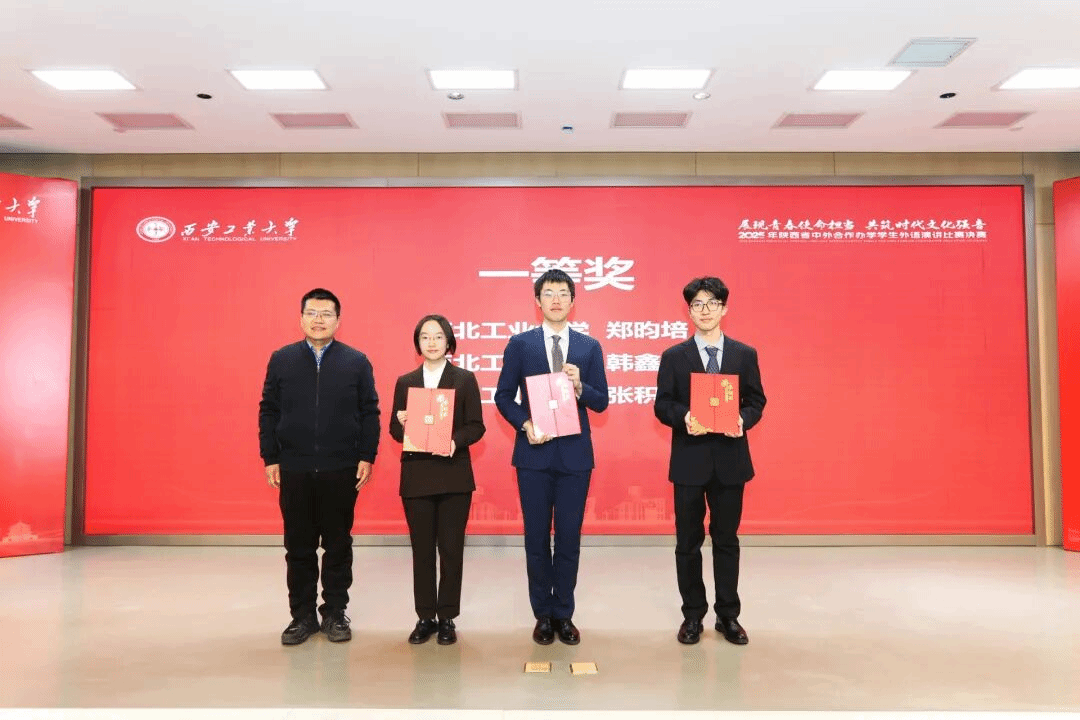
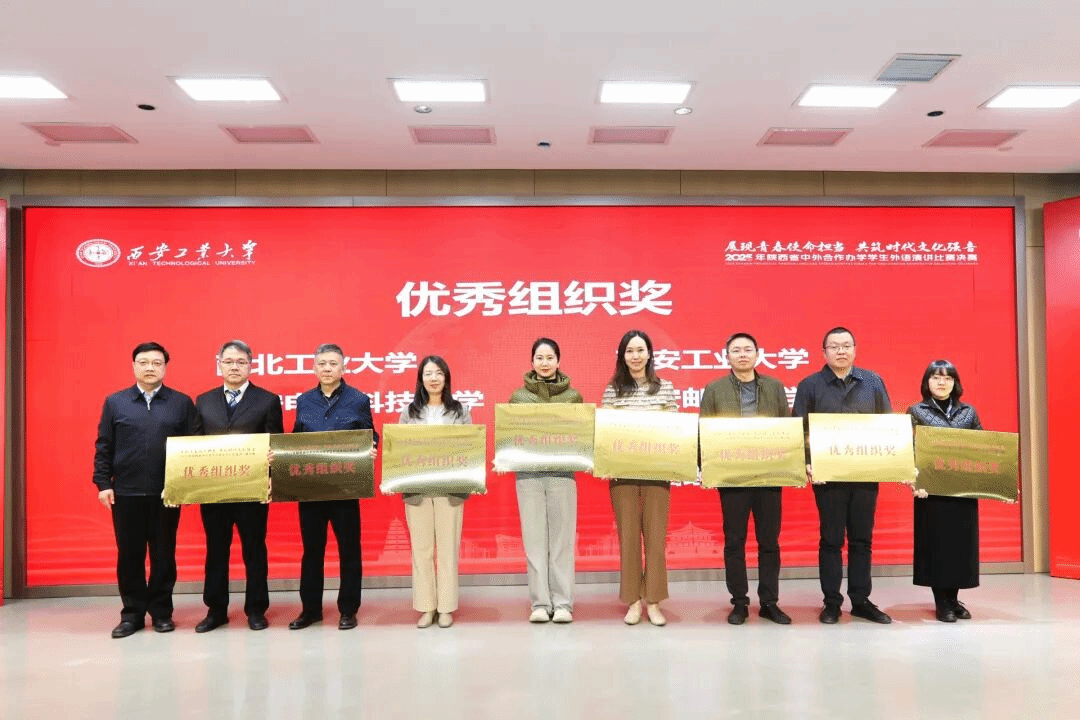
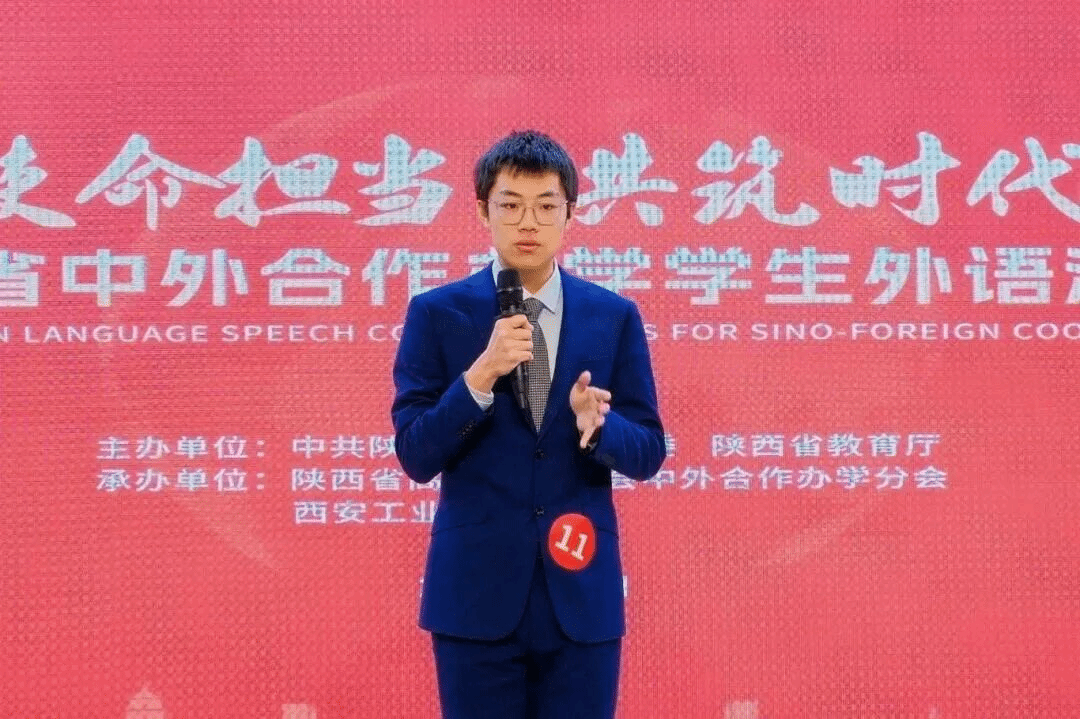
On 25 November, the final and award ceremony of the 2025 Foreign Language Speech Contest for Sino-Foreign Cooperative Education Students in Shaanxi Province was held at Xi’an Technological University (Weiyang Campus). The event was hosted by the Education Working Committee of the Shaanxi Provincial Party Committee and the Shaanxi Provincial Department of Education, and jointly organised by the Sino-Foreign Cooperative Education Branch of the Shaanxi Higher Education Association and Xi’an Technological University. The competition attracted 63 students from 23 institutions across the province to the preliminary round, with 24 contestants advancing to the final. Zhang Jizhi (Class of 2023), Zheng Yunpei and Han Xinhou (both Class of 2024) from QMES delivered outstanding performances and were all awarded first prizes. QMES was also honoured with the “Outstanding Organisation Award”.
The competition, themed “Demonstrating Youth’s Mission and Responsibility, Building a Strong Cultural Voice of the Era”, aimed to inspire young students to cultivate a sense of national commitment, broaden their international perspective, and use foreign languages to convey China’s voice. It also sought to promote the creative transformation and innovative development of fine traditional Chinese culture.
Focusing on this theme, the three prize-winning students each delivered an engaging speech from a different perspective.
Taking the Terracotta Warriors and the art of filigree inlay as examples, Zhang Jizhi explored in depth the continuity and innovation of traditional culture in the modern era. He highlighted that the pursuit of excellence and meticulous craftsmanship embodied by the Terracotta Warriors represents the spiritual core of Chinese civilisation. Addressing the challenges some traditional skills face in contemporary society, he emphasised that their integration with new technologies is key to overcoming these difficulties. Drawing on his own experience of using computer design and laser technology to create filigree inlay works, he vividly demonstrated how modern technologies can revitalise ancient crafts and called on the younger generation to take up the responsibility of safeguarding and promoting traditional Chinese culture.
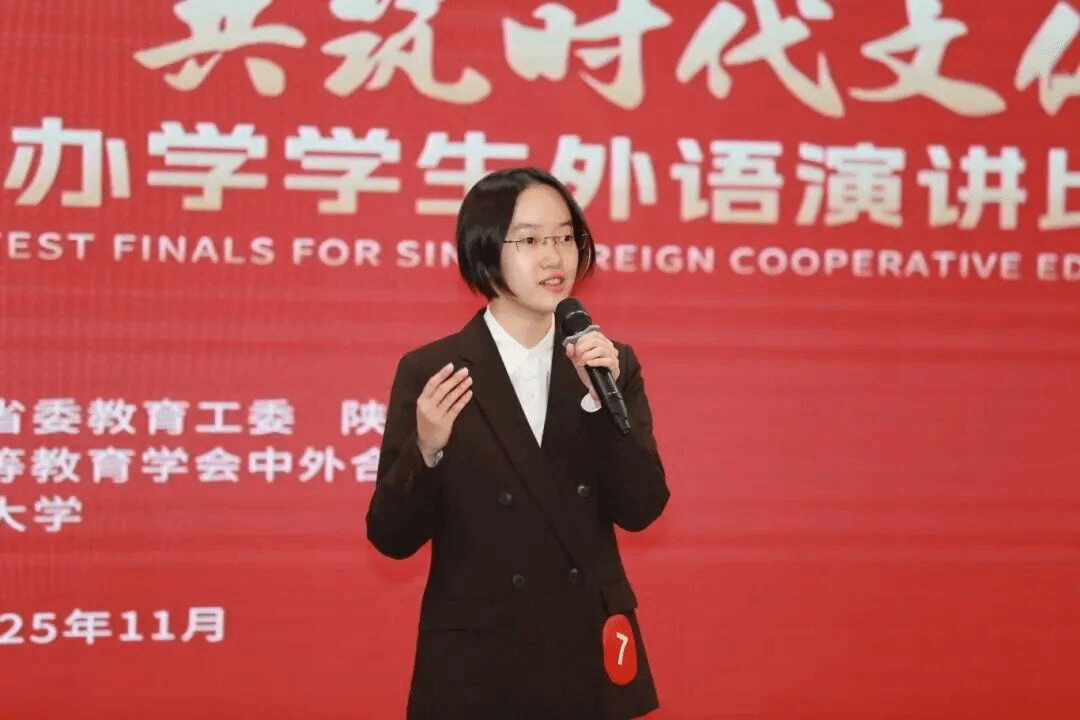
Taking the mural art of the Mogao Caves in Dunhuang and the Yungang Grottoes in Shanxi as examples, Zheng Yunpei illustrated how Chinese murals, as artistic treasures spanning millennia, carry profound historical significance and the collective memory of the nation’s culture. She noted that contemporary mural preservation goes far beyond technical restoration; it represents a systematic cultural endeavour that integrates historical research, materials science, and digital technology. She emphasised that this process not only embodies a vivid practice of cultural confidence but also revitalises ancient art through innovative approaches, thereby enhancing the nation’s cultural soft power. Concluding her speech, she called on the younger generation to shoulder this mission and combine a global perspective with deep-rooted national insight to ensure that cultural heritage thrives in the modern era and serves as a bridge for dialogue between world civilisations.
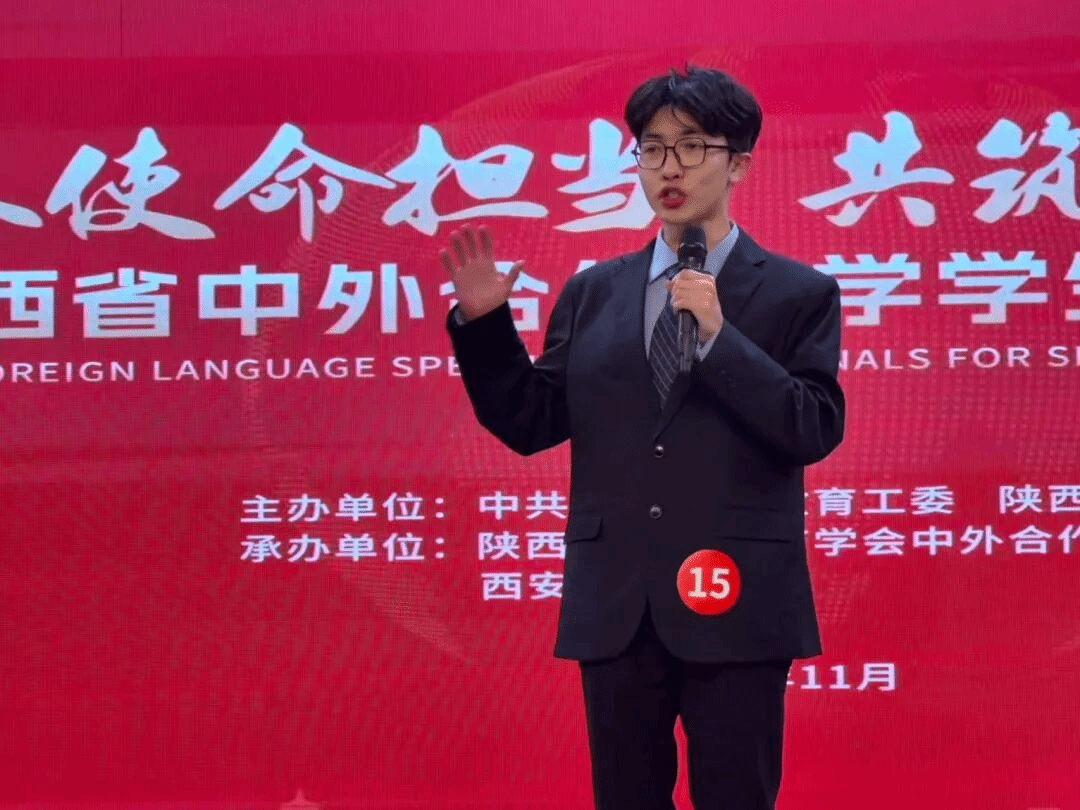
Han Xinhou approached the topic from the perspective of modern cultural dissemination and cited examples of Li Ziqi, who showcases China’s intangible cultural heritage through short videos, and the video game Black Myth: Wukong, which reinterprets Eastern mythology through digital technology. He highlighted that effective cultural inheritance cannot be limited to the preservation of static relics; rather, the key lies in deeply integrating heritage into dynamic practices of everyday life, allowing it to remain vibrant across generations. Whether through poetic life narratives or immersive interactive experiences, such approaches serve as bridges connecting tradition with modernity and linking China with the wider world. He emphasised that contemporary Chinese youth should embrace their cultural mission with creativity and practical engagement to help Chinese culture shine more brilliantly on the global stage.
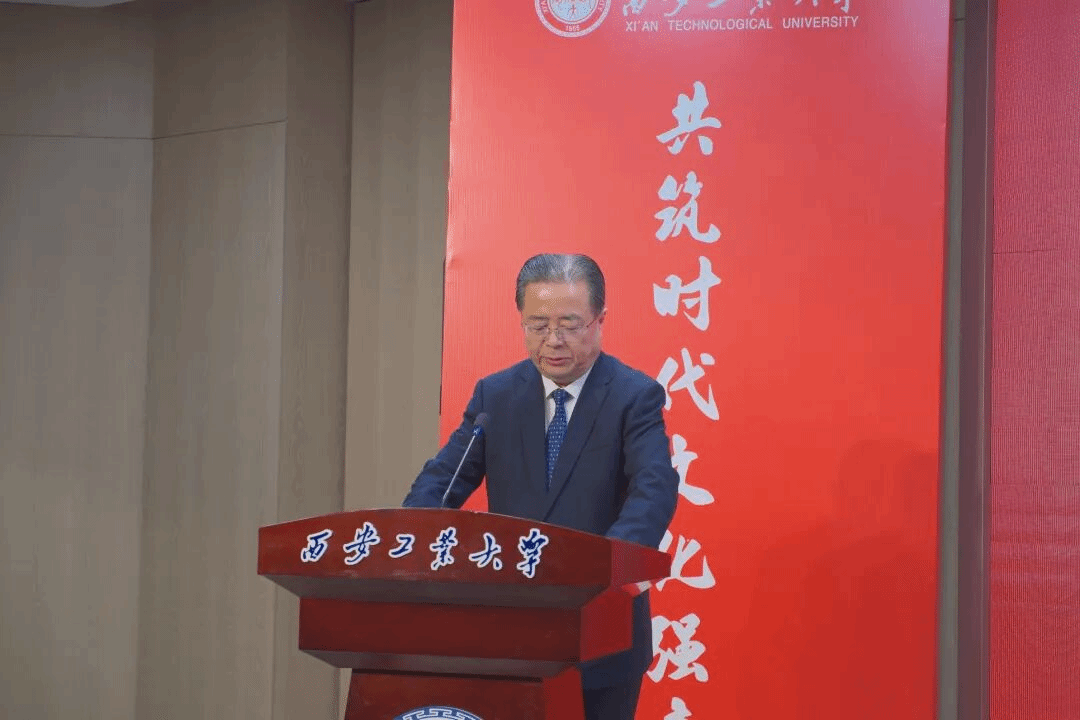
The event was attended by senior officials, including Wang Haibo, Deputy Secretary of the Education Working Committee of the Shaanxi Provincial Party Committee and First-Class Inspector; Wen Tong, Director of the Foreign Cooperation and Exchange Office of the Shaanxi Provincial Department of Education; and Kong Jie, Secretary-General of the Sino-Foreign Cooperative Education Branch of the Shaanxi Higher Education Association.
In his address, Wang Haibo noted that the contestants’ outstanding performances reflected the sense of responsibility demonstrated by youth of the new era in carrying forward China’s cultural heritage and promoting mutual learning among civilisations. He added that the event also showcased the substantial achievements made by Shaanxi Province in the field of Sino-foreign cooperative education. He outlined three expectations for the students. First, they should become ambassadors for dialogue between Chinese and international civilisations, equipped with strong language skills and a deep understanding of cultural values. Second, they should strengthen their cultural confidence and explore innovative ways of telling China’s stories. Third, they should set ambitious goals, integrate their personal aspirations into the broader cause of national rejuvenation, and strive to grow into capable individuals ready to shoulder major responsibilities.
The outstanding performance in the competition fully demonstrates QMES’s solid achievements in foreign language education and the cultivation of intercultural talents. Building on the strengths of its Sino-foreignd cooperative education programmes, QMES will continue to uphold the fundamental task of fostering virtue through education. It remains committed to nurturing more internationally oriented, high-calibre, innovative graduates with a strong sense of national commitment, a global outlook, and a solid professional foundation, thereby contributing to the advancement of China’s education opening-up.
Text: Ma Xiaoxuan
Photo: Contest Organising Committee and Ma Xiaoxuan
Editor: Ma Huili
Translator: Fang Jie
Reviewer: Cheng Yin