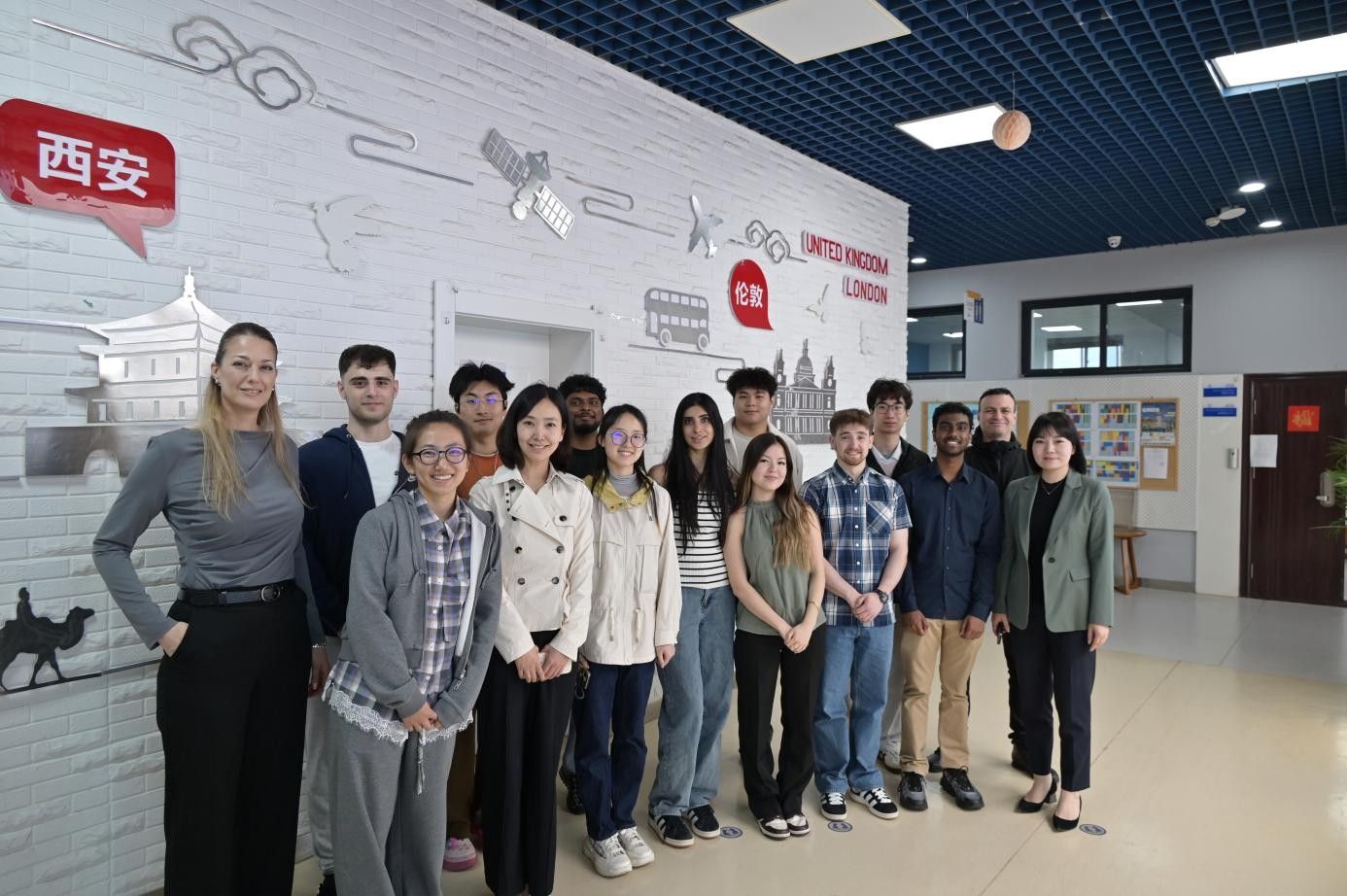
Mutual learning between civilisations builds bridges, enabling young people to join hands and forge friendships. From 18 to 26 April, QMES welcomed six student ambassadors from the School of Engineering and Materials Science at Queen Mary University of London (QMUL) for an exchange visit. QMES organised a series of activities to create a dynamic platform for interaction and engagement between young people from China and the UK. During the visit, students from both institutions explored research laboratories together, participated in immersive practical sessions on China’s intangible cultural heritage, and toured the Xi’an city, an ancient capital with a history spanning over a millennium. Through academic discussions and cultural exchange, they deepened their scholarly understanding, forged lasting friendships, and embarked on a journey of mutual learning and shared growth.
1. Discovering NPU: Exploring the University’s Heritage and Beginning the Exchange Programme
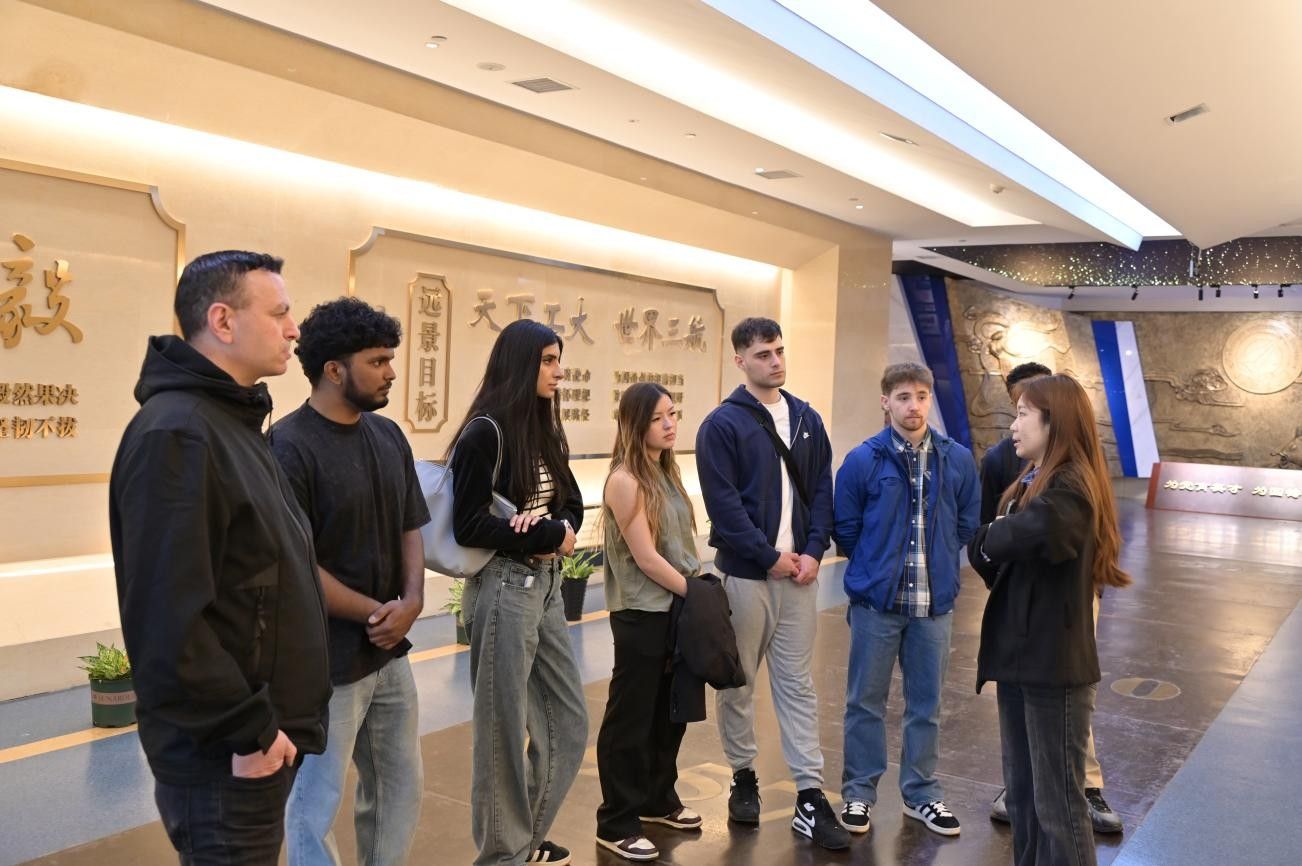
On the morning of 20 April, the Student Ambassador Programme officially began. The student ambassadors visited the NPU History Museum, where they toured the themed exhibition halls one by one under the detailed explanations and professional guidance of a museum docent. The museum’s extensive collections of archival materials, historical photographs and models of distinctive research achievements offered a comprehensive portrayal of the University’s profound heritage and outstanding accomplishments, enabling the visitors to gain a deeper understanding of NPU’s historical development and journey of endeavour.
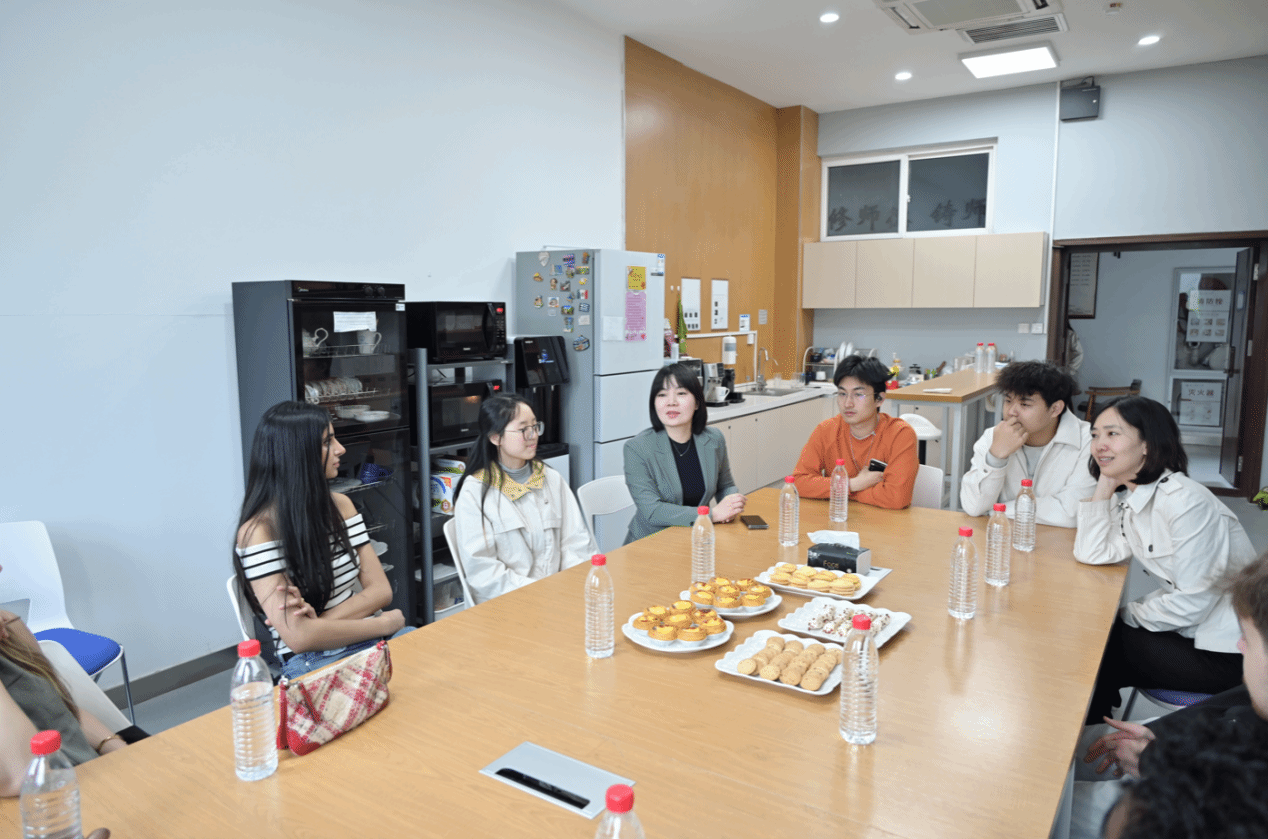
After the tour, Xiang Dan, QMES Party Committee Secretary, and Cheng Yin, Deputy Party Secretary of the QMES Party Committee, attended a welcome meeting for the student ambassadors. Xiang Dan engaged warmly with the visiting students and asked in detail about their daily life and how they had adapted since their arrival in Xi’an. She noted that the visit had provided a valuable platform for communication between the two universities and expressed the hope that this face-to-face exchange would serve as an opportunity to further deepen friendly inter-institutional cooperation, broaden channels for dialogue between Chinese and international young people, and promote mutual learning and exchange among diverse cultures. Cheng Yin extended a warm welcome and sincere greetings to the student ambassadors who had travelled from afar and encouraged them to take part actively in classes and campus cultural activities. She also highlighted the value of city-based study visits and field trips, through which they could explore the deep roots of Chinese civilisation and experience first‑hand the unique charm of China’s long history and traditional culture. The meeting was held in a relaxed and friendly atmosphere. Chinese and British students communicated freely and exchanged ideas, drawing closer through friendly interaction and forming initial bonds of friendship, which laid a solid foundation for the subsequent series of exchange activities.
2. Academic Exchange: Immersive Classroom Experiences and Inspiring Research Ideas
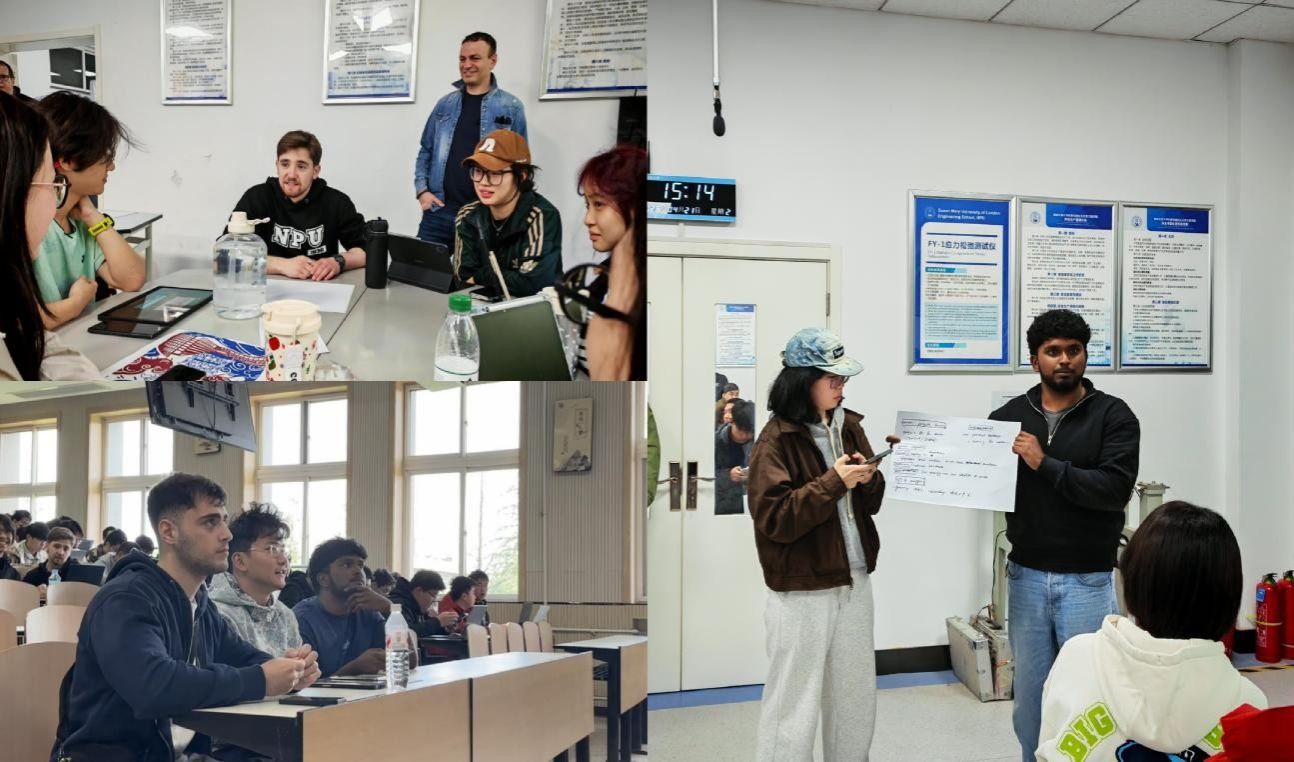
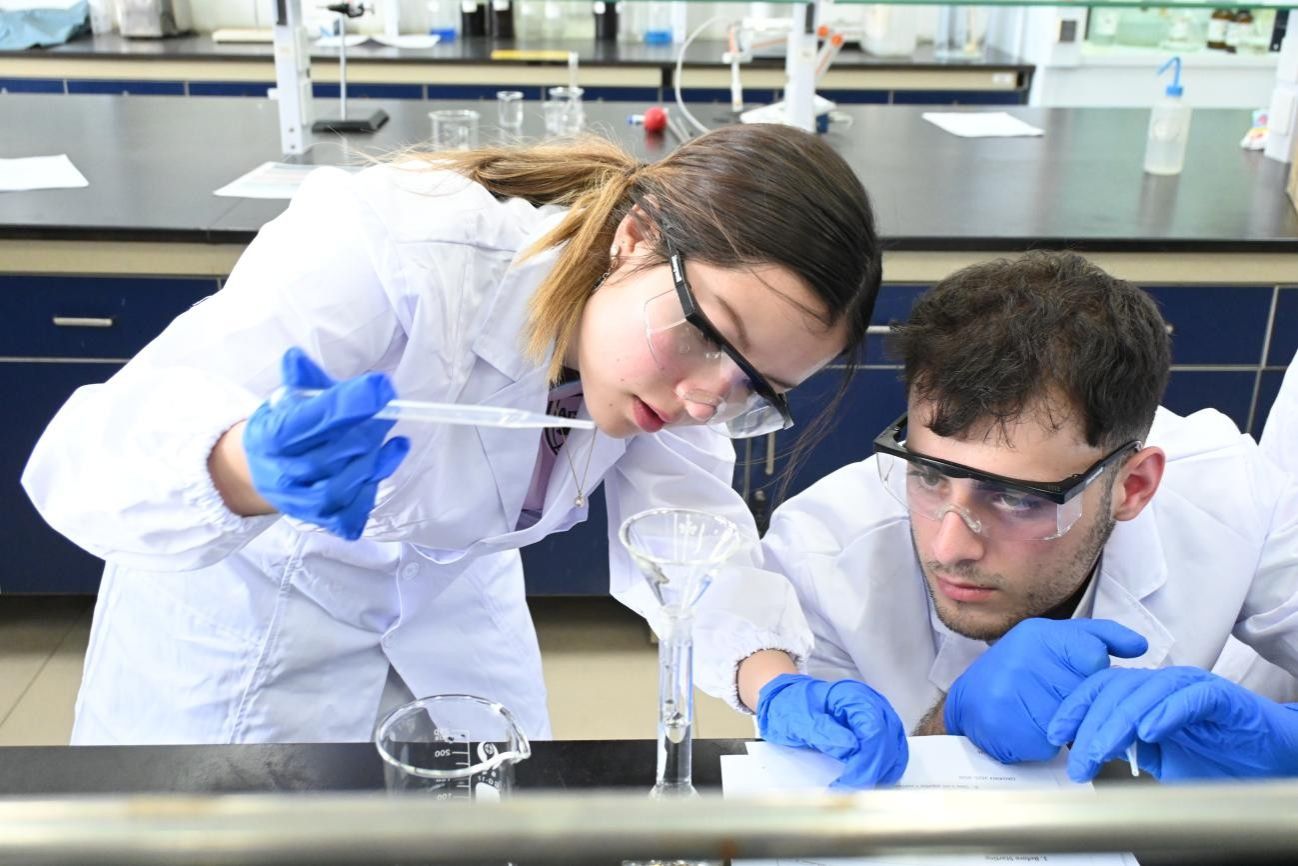
To promote international academic exchange, the student ambassadors joined regular classes and laboratory teaching sessions at QMES. They engaged in in-depth discussions with outstanding student representatives on research presentations and academic reporting skills, and shared approaches and practical experience in presenting at international conferences. In theoretical classes, QMES and QMUL students worked collaboratively to discuss planning proposals related to urban environmental protection. In laboratory sessions, they carried out hands-on practical experiments, including materials mechanics testing and acid-base titration, gaining first-hand insight into the rigour and precision required in scientific research. From theoretical discussion to experimental practice, and from academic exchange to cultural interaction, each co-learning session fostered mutual progress, bringing together diverse academic perspectives and generating new ideas through interdisciplinary interaction.
3. Cultural Immersion: Experiencing Intangible Cultural Heritage and the Essence of Chinese Culture
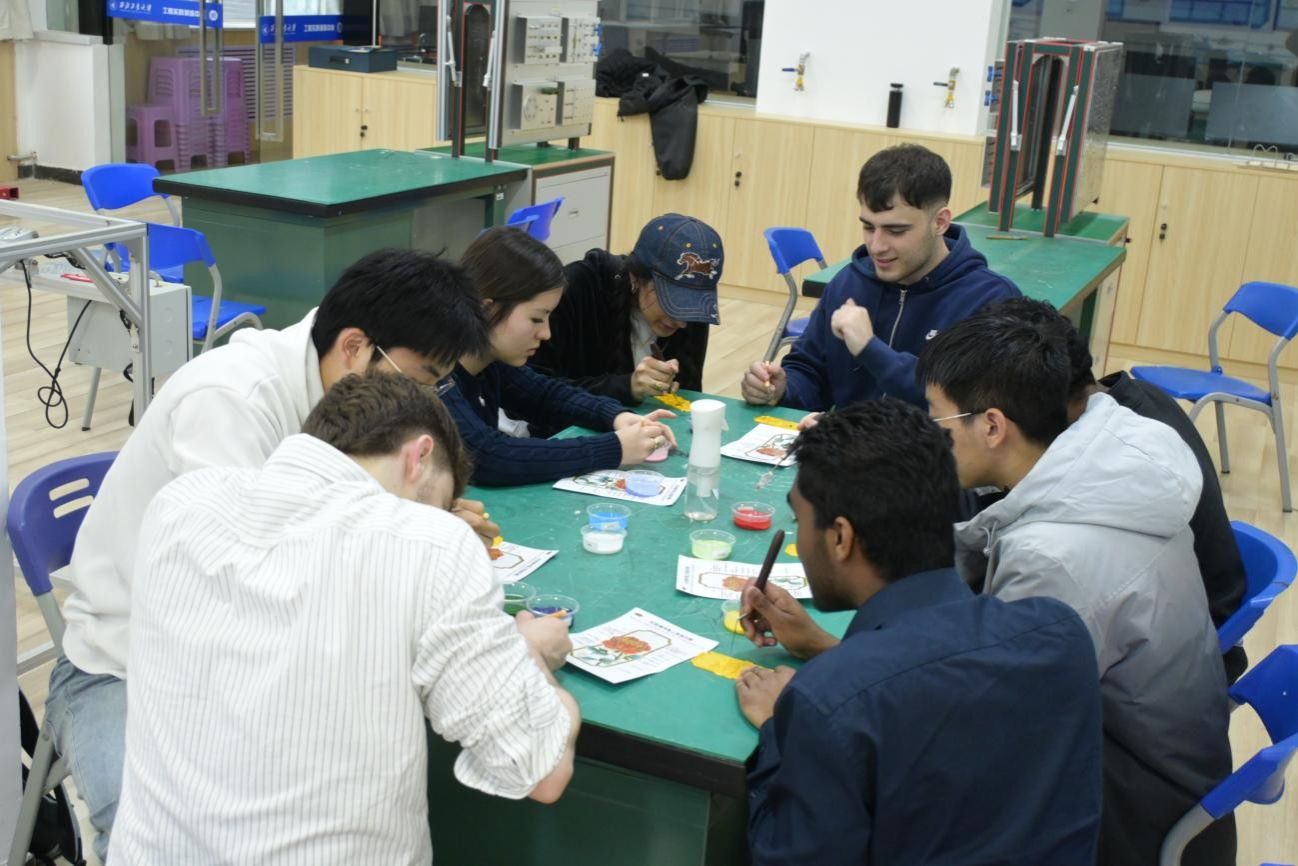
In addition, QMES, in collaboration with the Engineering Practice Training Centre of NPU, organised a series of immersive activities centred on China’s intangible cultural heritage. During the sessions, the student ambassadors participated in a range of craft-based experiences, including 3D-printed enamel work, heat transfer printing, and wood inlaid with silver, to truly appreciate the meticulous craftsmanship and spirit of excellence embodied by traditional Chinese artisans. They then attended a calligraphy class, where they practised Chinese characters with brush and ink and created handcrafted calligraphy ornaments, gaining an appreciation for the elegance of traditional Chinese artistry. At the Peking Opera workshop, students listened to expert explanations of role types and the cultural symbolism of facial make-up, and painted the iconic mask of Bao Zheng, fully experiencing the unique charm of this treasured Chinese art form. Through these hands-on heritage activities, the student ambassadors engaged directly with China’s millennia‑old cultural traditions, deepening their understanding and appreciation of the richness and value of fine traditional Chinese culture.
4. Campus Life: Experiencing Sporting Meeting and Engaging in In-Depth Discussions
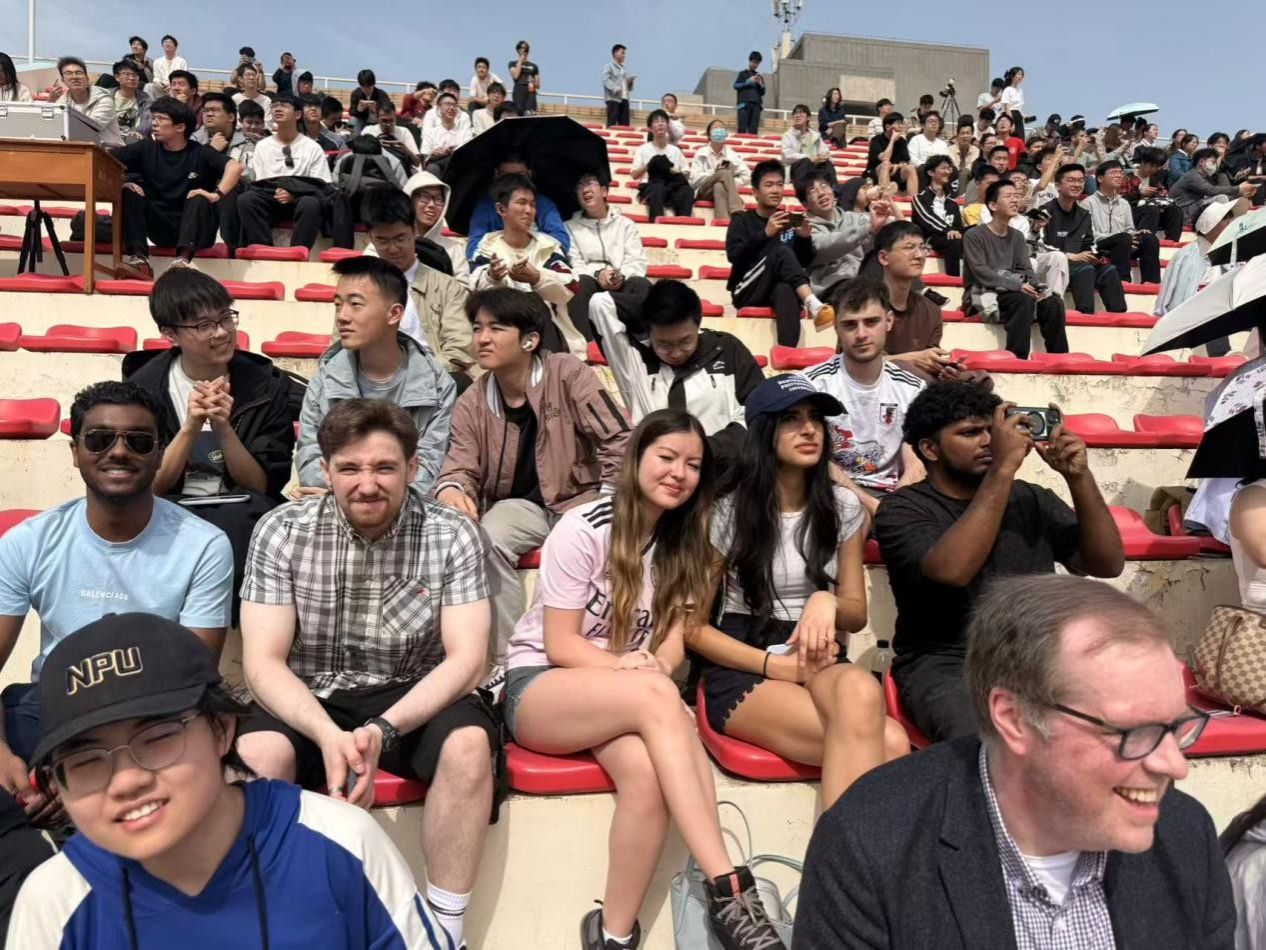
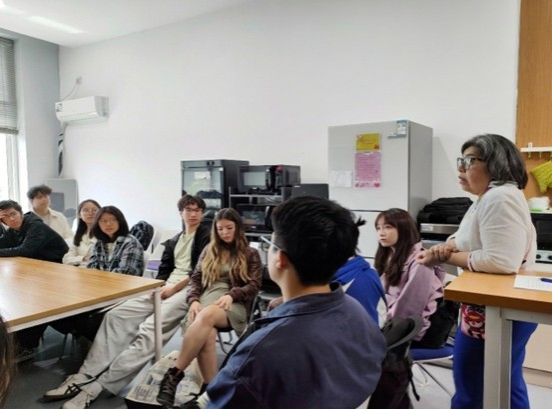
On the morning of 24 April, the student ambassadors joined staff and students at the sports ground to attend the opening ceremony of NPU’s sports meeting. The venue was filled with the sound of resounding drums and fluttering flags, and participants frequently raised their cameras to capture memorable moments on the sports field. At a lunchtime exchange session, the student ambassadors shared their reflections with QMES students, drawing on their experiences of different teaching approaches, cultural differences, and aspects of campus life.
5. Exploring the Ancient Capital: Cycling Along the City Wall and Encountering Xi’an’s Historic Charm
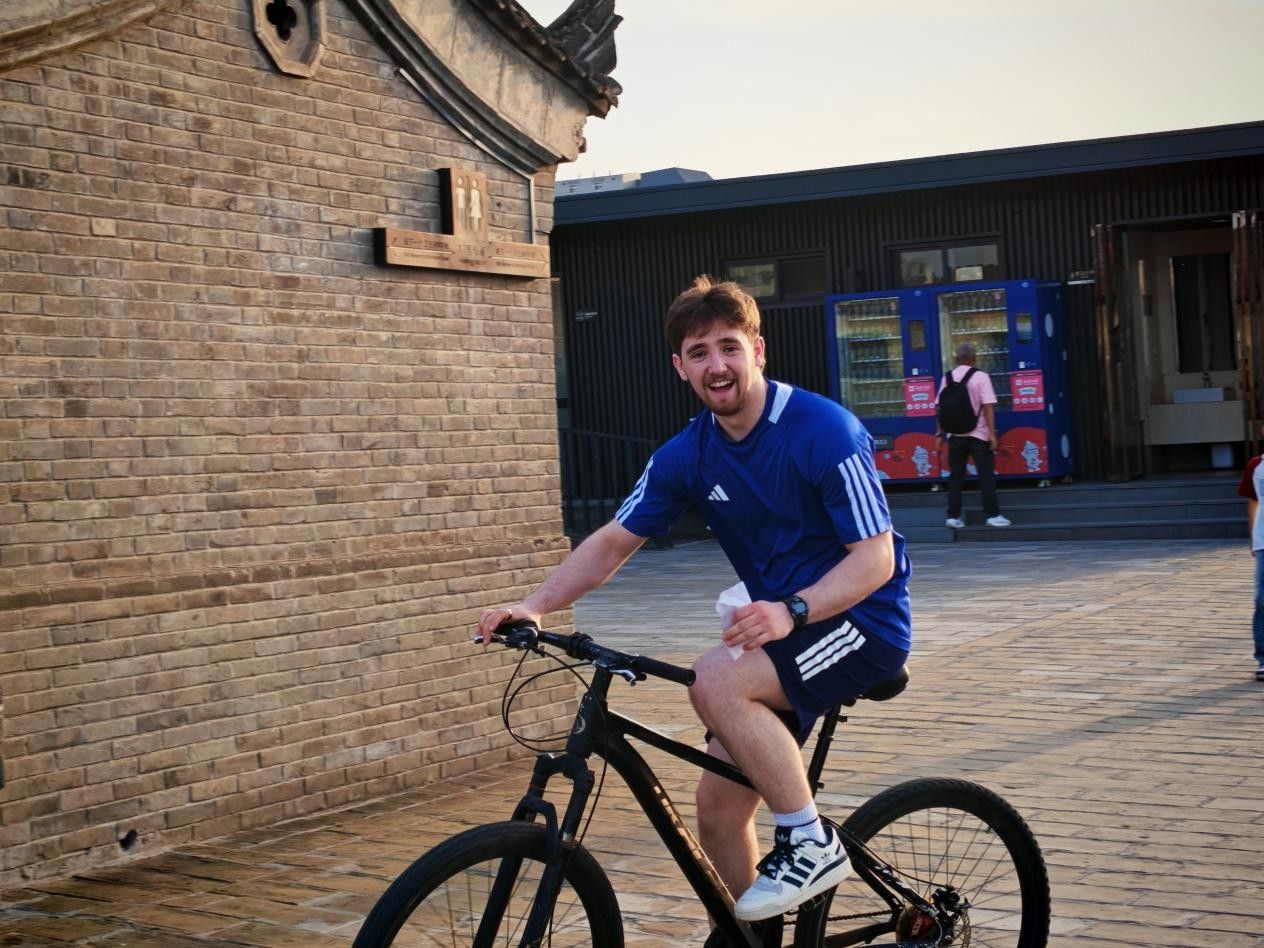
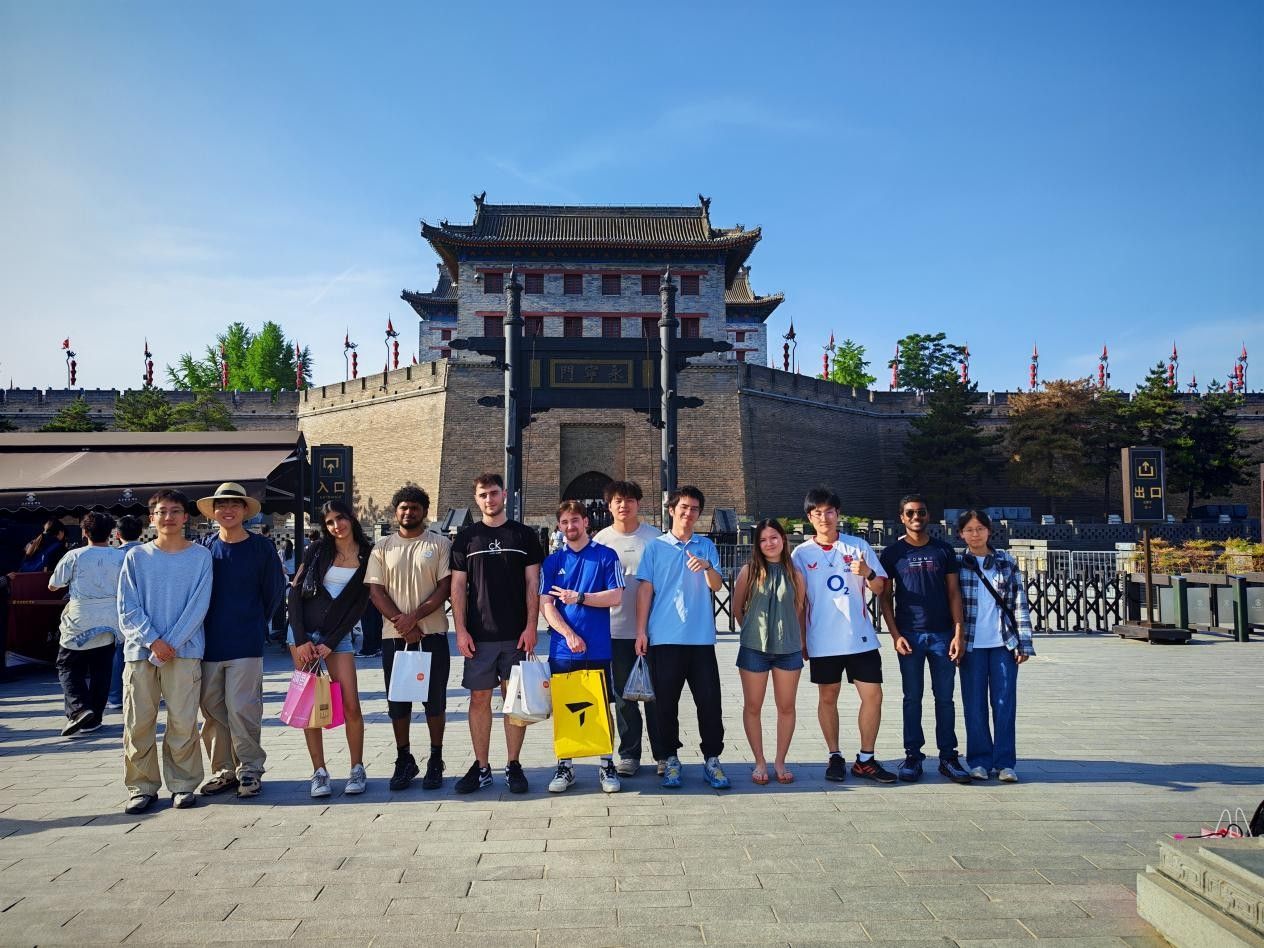
In addition to the rich activities of academic study and intangible cultural heritage experiences on campus, QMES also organised a series of city visits in Xi’an, inviting the student ambassadors to explore key landmarks and appreciate both the city’s profound historical heritage and its contemporary vitality. During the activity, QMES and QMUL students travelled together: they ascended the magnificent Xi’an City Wall and enjoyed a leisurely cycle along its broad ramparts; paused at the Bell and Drum Tower to appreciate the refined architectural forms and cultural significance of traditional Chinese buildings; and strolled through the lively historic streets, experiencing the city’s distinctive character and rich heritage. Through shared journeys and interactions, students from both countries deepened mutual understanding and strengthened their friendships, capturing memorable moments throughout this international exchange and creating lasting and cherished memories.
This exchange programme effectively strengthened friendship among students from the two universities, deepened their connections, and further promoted communication and collaboration between both sides. Looking ahead, QMES will continue to foster an internationalised educational environment. With young people as the bond and exchange as the vehicle, it will further diversify forms of interaction between Chinese and international students, broaden their global perspectives, and build lasting cross-cultural friendships. In doing so, it aims to ensure that mutual learning among civilisations continues to take root and flourish, injecting sustained energy into the long-term cooperation between the two universities.
Text: Hong Jincheng
Photo: Xu Caizhe, Zhu Yuyue, Hao Zihe, Zhang Cheng, and Hong Jincheng
Editors: Luo Zihan and Ma Huili
Translator: Fang Jie
Reviewer: Cheng Yin